Expert Architectural Designers in St. Louis
Enhance Your Surroundings: The Impact of Expert Architectural Design Solutions
Professional architectural design services play a fundamental role in reshaping environments. Such solutions blend utility with artistic expression, ensuring that each project meets both practical needs and visual standards. Designers utilize cutting-edge methods and eco-friendly approaches, tailoring their work to meet neighborhood specifications. However, many remain unaware of how these services can unleash the true potential of their environments. Investigating the diverse merits of collaborating with an architect provides revelations that could revolutionize any area.
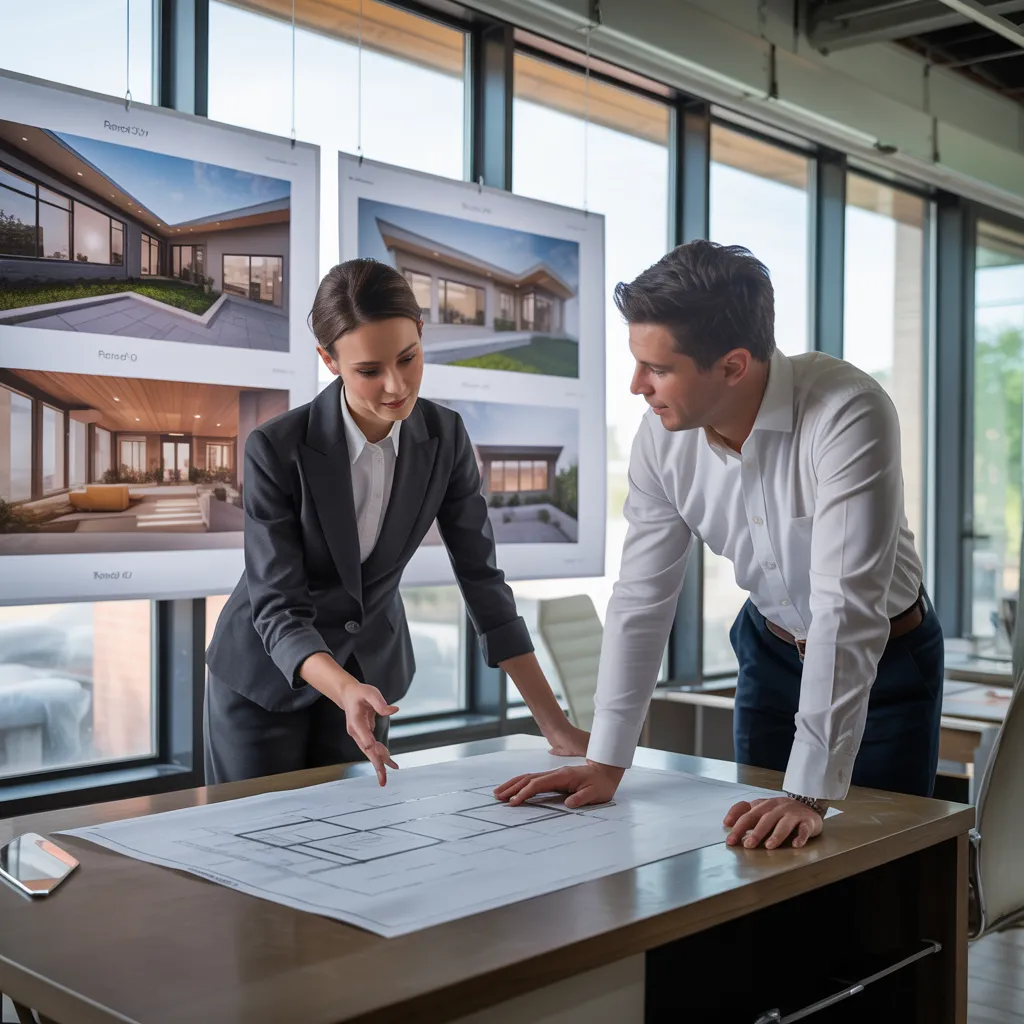
Exploring the Value of Expert Architectural Services
Uncovering the value of professional architectural design is vital for optimizing both aesthetic appeal and functionality in any undertaking. Skilled architectural work goes beyond simple visual appeal; it combines the principles of space planning, environmental sustainability, and structural integrity. By applying innovative strategies and a profound understanding of construction materials, architects produce spaces that are not only aesthetically impressive but also efficient and practical.
Moreover, professional architects account for the particular aspects of each individual project, including local regulations, climate, and community needs. This comprehensive methodology ensures that the final design is not only forward-thinking but also harmonious with its surroundings. They make use of state-of-the-art technology, such as 3D modeling, to give clients a precise visualization of the finished project. At the end of the day, choosing professional architectural design services leads to enduring rewards, boosting both occupant satisfaction and the property's market value.
Key Benefits of Hiring an Architect for Your Design Project
Engaging an architect for a design project offers a range of advantages that enhance both the workflow and the end result. Architects offer extensive knowledge, confirming that projects adhere to local regulations and building codes, which can help avoid significant issues down the line. Their ability to prepare detailed plans and specifications serves to simplify the construction process, reducing delays and miscommunication among construction teams.
Additionally, architects demonstrate expertise in project management, overseeing the key elements of the design and construction phases. This management ensures that deadlines and costs are maintained, giving clients confidence and reassurance. Additionally, architects are able to recognize potential challenges in the initial phases of design, facilitating proactive problem-solving. Their knowledge of materials and construction methods often produces innovative solutions that maximize efficiency and sustainability. In the end, partnering with an architect not only elevates the design project but also enriches the complete process for clients.
Improving Aesthetics and Functionality Through Architectural Knowledge
Architectural proficiency serves an essential role in improving both visual appeal and practicality in construction endeavors. By implementing forward-thinking design strategies, optimizing space, and selecting sustainable materials, designers can develop spaces that are beautiful and highly functional. This strategy not only meets client needs but also promotes environmental responsibility.
Progressive Design Concepts
Groundbreaking design strategies reshape spaces by seamlessly blending aesthetics with functionality. Skilled architects utilize imaginative techniques to address varied client requirements while elevating aesthetic value. By utilizing textures, hues, and shapes that complement the surroundings, architects craft balanced environments that embody personal character. Modern technology, encompassing 3D design tools and virtual environments, facilitates detailed previews, empowering clients to explore designs before construction begins. Additionally, integrating sustainable practices guarantees that designs not only look good but also contribute to environmental conservation. Through careful consideration of light, space, and flow, these solutions maximize user experience and promote well-being. Ultimately, innovative design fosters a unique synergy between practicality and beauty, elevating the overall quality of living and working environments.
Space Maximization Strategies
Making the most of space demands strategic planning and design techniques that enhance both aesthetics and functionality. Skilled architectural design professionals implement techniques including open-concept layouts, which remove redundant walls and promote a feeling of openness. Multi-functional furniture can be integrated to serve various purposes, ensuring that every square foot is utilized effectively. Additionally, thoughtful placement of windows and mirrors can create the illusion of larger spaces, drawing in natural light and enhancing visual depth. Designers also take into account traffic flow patterns, guaranteeing that navigation through a space is both seamless and practical. By prioritizing these optimization techniques, architects transform environments into harmonious areas that not only look appealing but also cater to the practical needs of their occupants.
Eco-Friendly Material Selections
While prioritizing sustainability, architects increasingly turn to sustainable materials that improve both visual appeal and performance. Incorporating materials like reclaimed wood, bamboo, and recycled metal not only minimizes ecological harm but also contributes a one-of-a-kind quality to environments. These decisions foster a harmonious design, integrating naturally with the surrounding environment. Furthermore, the use of low-VOC paints and energy-efficient glass boosts interior air quality and strengthens thermal efficiency, ultimately benefiting occupant health and comfort. Through the thoughtful choice of eco-friendly resources, architects create visually appealing environments that resonate with eco-conscious clients. Such a philosophy encourages a more conscientious design approach, proving that beauty and sustainability can coexist, while responding to the critical call for sustainable innovations in today's built environment.
The Way Technology Influences Contemporary Architectural Designs
Currently, a wide range of technological advancements heavily affects architectural design, changing how structures are conceived and constructed. Building Information Modeling (BIM) enables architects to create detailed 3D models, supporting better collaboration between stakeholders and ensuring precision across the design process. In addition, virtual reality (VR) and augmented reality (AR) permit clients to interact with spaces before they are created, making design decisions increasingly informed and instinctive.
Technology has also played a key role in advancing sustainability, with energy modeling software helping architects optimize building performance by simulating energy consumption and environmental impact. Moreover, innovative materials and construction approaches, such as additive manufacturing and prefabricated construction, optimize the overall construction workflow, minimizing construction timelines and financial outlays. The use of drones and robotics for site surveys and inspections is growing, providing real-time data that improves accuracy and safety. Taken together, technology not only enhances creativity but also guarantees that architectural designs meet modern demands for efficiency and sustainability.
Frequent Myths Surrounding Architectural Services
Numerous people have false beliefs about the services provided by architects, assuming they come with an exorbitant price tag and that the role of architects is limited to building design. Such a restricted viewpoint disregards the broad spectrum of offerings provided by architectural professionals, including planning and consultation. Gaining clarity on these false assumptions is essential for understanding the real significance of the expertise that architects bring.
Architectural Services Come at a High Cost
The perception that architectural services are prohibitively expensive commonly results from a lack of clarity about their benefits and extent. Numerous people associate elevated prices with being out of reach, ignoring the enduring value that professional design delivers. Architectural services involve far more than the creation of design plans; they involve extensive planning, regulatory compliance, and innovative problem-solving. By investing in these services, homeowners frequently realize savings over time through better resource management, fewer visit now building mistakes, and enhanced property worth. In addition, the scale and detail of a project can considerably affect pricing, underscoring the need to appreciate that a carefully structured design can generate considerable monetary savings. At its core, treating architectural services as a strategic investment rather than a mere expenditure can transform outlooks and strengthen understanding of their significance.
Architects Solely Design Buildings
A frequent misunderstanding is that architects are exclusively concerned with designing structures. In truth, their knowledge and skills reach well beyond simple construction. Architects are involved in urban planning, landscape design, and interior spaces, ensuring harmony between various elements. They partner with clients to design purposeful environments that elevate the standard of living. Additionally, architects engage in sustainability efforts, integrating eco-friendly practices into their designs. They frequently contribute to public areas, recreational parks, and neighborhood initiatives, meeting community demands and enhancing city infrastructure. Beyond that, architects deliver critical expertise in renovation and restoration work, safeguarding historical importance while accommodating present-day demands. This multifaceted role showcases their importance in shaping not just buildings, but entire communities and environments.
Picking the Best Architect for Your Design Vision
How can someone ensure that the architect they choose is suited to their particular design goals? Choosing the ideal architect requires thoughtful evaluation of multiple aspects. Initially, examining an architect's portfolio can reveal details about their creative style and skill set. This step helps potential clients determine if the architect's prior designs aligns with their own aesthetic preferences.
Furthermore, clear communication is essential. Taking part in preliminary consultations enables clients to communicate their ideas and expectations with clarity. The architect's willingness to listen attentively and respond considerately reflects their commitment to comprehending the client's vision.
Moreover, reviewing references and client feedback can reveal the architect's trustworthiness and expertise. It is crucial to ensure that the architect has expertise that aligns with the project's scope, whether the project is residential or commercial. When all is considered, a well-matched architect can bring a vision to life, making the choice of architect essential for delivering outstanding architectural outcomes.
Success Stories in Architectural Design
Bringing concepts to life, compelling stories of architectural achievement demonstrate the remarkable influence of careful planning and innovative execution. A standout example is the reinvention of a storied warehouse into a vibrant community center. Designers carefully retained the building's historic elements while incorporating contemporary conveniences, resulting in a space that encourages interaction and community involvement.
One other motivating example featured a green residential project that incorporated sustainable building materials and forward-thinking design approaches. This strategy not only minimized environmental impact but also fostered a cohesive and comfortable residential setting, setting a benchmark for upcoming projects.
Across urban settings, the transformation of underutilized spaces into lush green spaces demonstrates how strategic design can elevate the well-being of local communities. Every example demonstrates a focus on elevating design and usability, demonstrating how skilled architectural expertise can uplift areas and enrich the lives of communities. Such achievements stand as proof of the remarkable impact of architectural design in defining surroundings for generations to come.
Common Questions and Answers
What Qualifications Should I Look for in an Architect?
When searching for an architect, you should consider qualifications such as a fitting educational background, valid professional credentials, a diverse portfolio, strong communication skills, and a proven track record in the relevant project type to ensure productive collaboration and positive results.
How Long Does the Architectural Design Process Typically Take?
The architectural planning process generally requires three to six months in total, based on project complexity, the needs of the client, and regulatory approvals. Effective communication and collaboration can help accelerate this timeline, guaranteeing the prompt delivery of the final design.
What Are the Expenses Involved in Hiring an Architect?
The fees associated with employing an architect generally fall between 5% and 15% of the overall project budget, according to the project's complexity and overall scope. Additional fees may arise for consultations, revisions, and specialized services throughout the design process.
Do Architects Provide Help With Permits and Zoning Regulations?
Architects are able to help with permits and zoning regulations. Their professional expertise ensures compliance with local regulations, simplifying the application process and minimizing potential delays, thereby enabling the successful execution of a project.
How Can I Communicate My Vision Effectively to an Architect?
To engage productively with an architect, one should prepare visual aids, articulate specific needs, address personal preferences, and stay receptive to professional recommendations. Clarity and collaboration foster a productive dialogue, guaranteeing that the design vision matches professional knowledge.